Wymiar sprawiedliwości dla młodzieży w okresie przejściowym: populizm karny i upadek wyjątkowości krajów nordyckich w Szwecji Jak badać kulturę konstytucyjną?: Argumenty za metodą grup fokusowych w porównawczych badaniach konstytucyjnych
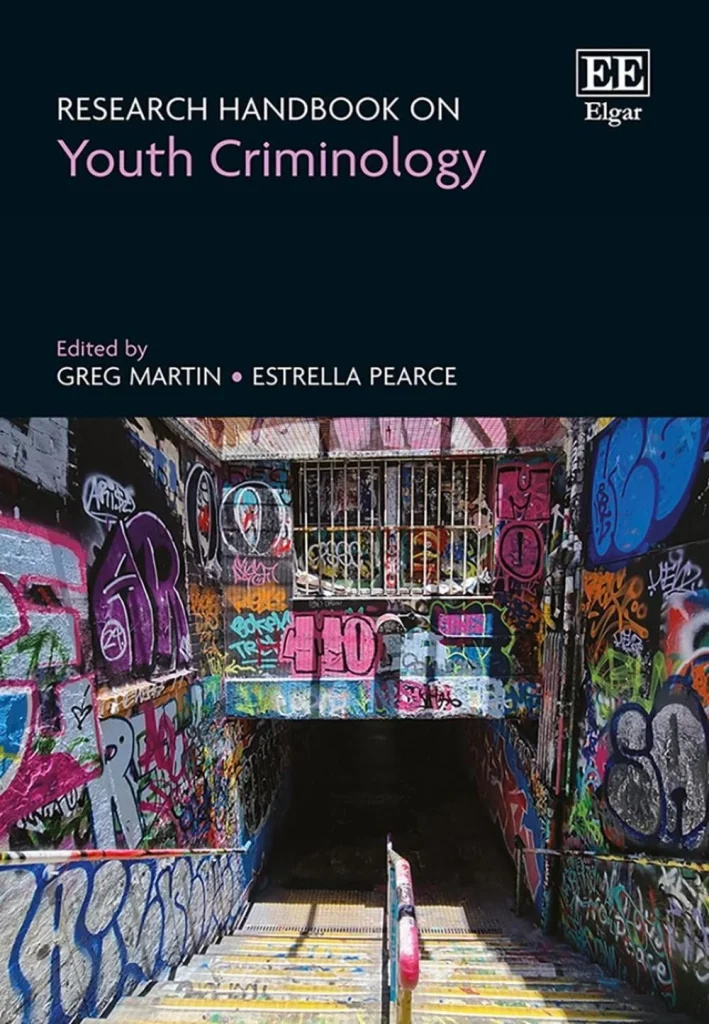
Autorzy: Orlaith Rice, Silvia Gagliardi i Daniela Rodriguez Gutierrez (2025) W: E. Pearce i G. Martin (red.) Podręcznik badawczy dotyczący kryminologii młodzieżowej. Elgar.
Abstrakcyjny
Nordycki model wymiaru sprawiedliwości dla nieletnich jest wysoko ceniony na całym świecie ze względu na swoje podejście oparte na zasadzie dobrostanu. Resocjalizacyjne podejście Szwecji do młodych przestępców ma długą historię. Szwecja ma również nowszą historię wysokiego salda migracji wewnętrznej. Udokumentowany wzrost niektórych rodzajów przestępstw z użyciem przemocy, przemocy z użyciem broni palnej i działalności gangów został wykorzystany do marginalizacji rosnącej populacji imigrantów w Szwecji. W 2022 roku szwedzki rząd zniósł automatyczne obniżenie wyroków, jakie otrzymują młodzi dorośli za poważne przestępstwa: tzw. ‘zwrot dla młodzieży’. W niniejszym rozdziale dowodzi się, że ta zmiana jest próbą odpowiedzi na obecny sprzeciw opinii publicznej, polityków i mediów wobec pobłażliwości zarówno w polityce wymiaru sprawiedliwości dla nieletnich, jak i w polityce migracyjnej, w obliczu obaw przed przestępczością postrzeganą jako powiązaną w szczególności z młodymi mężczyznami-imigrantami. W miesiącach po tym zniesieniu przestępczość i migracja zdominowały dyskurs wokół wyborów parlamentarnych w 2022 roku, które doprowadziły do powstania prawicowego rządu koalicyjnego. Zniesienie ‘ulgi dla młodzieży’ wskazuje na represyjny zwrot w polityce wymiaru sprawiedliwości wobec nieletnich, a wyniki wyborów w 2022 roku wskazują na utrzymujące się w szwedzkim społeczeństwie bardziej surowe podejście do kar. Łącznie podważają one nordycką tezę o wyjątkowości karania. Niniejszy rozdział analizuje te zmiany z perspektywy populizmu karnego. Niniejsze badanie opiera się na jakościowych danych z grup fokusowych zebranych w Szwecji w latach 2021 i 2022 w ramach projektu finansowanego przez Europejską Radę ds. Badań Naukowych ‘Podstawy władzy instytucjonalnej’.
Słowa kluczowe: Kultura konstytucyjna; Porównawcze metody konstytucyjne; Metody jakościowe; Konstytucjonalizm socjologiczny
Dostępny link do pełnego artykułu Tutaj.
 Polski
  English (UK)
  Magyar
  Svenska
  Español